General Hiking Information
What is the best time of year to go hiking in the Sierra Nevada?
The ideal time for hiking in the Sierra Nevada varies greatly by elevation and specific location. Generally, late spring (May-June) through early fall (September-October) offers the most favorable conditions. May and June are excellent for lower elevations and wildflower blooms, but higher passes may still be snow-covered. July and August are peak season, offering clear skies and access to most trails, though can be hot at lower elevations and crowded. September and October provide crisp air, stunning autumn colors, and fewer crowds, but cooler temperatures and potential early snow at higher altitudes are factors to consider.
How do I determine the difficulty of a trail?
Trail difficulty is typically assessed based on several factors: distance, elevation gain, terrain (rocky, rooty, smooth), and potential hazards (river crossings, exposure). Most trail descriptions, including those on Trailblazers, will provide a rating (e.g., Easy, Moderate, Strenuous). Look for the total mileage and the total elevation gain. A good rule of thumb is that for every 1,000 feet of elevation gain, it adds about 30-60 minutes to your hike. Consider your own fitness level and experience when choosing a trail. It's always better to start with an easier trail and gradually increase the challenge.
What are essential items for a day hike?
For a day hike, always pack the "Ten Essentials":
1. Navigation (map, compass, GPS device)
2. Headlamp or flashlight
3. Sun protection (sunscreen, sunglasses, hat)
4. First-aid kit
5. Knife or multi-tool
6. Fire starter (matches, lighter, fire starter)
7. Shelter (emergency bivy or blanket)
8. Extra food
9. Extra water
10. Extra clothes (layers for changing weather)
Additionally, consider a whistle for signaling, insect repellent, and a fully charged mobile phone. Always tell someone where you are going and when you expect to be back.
What footwear is recommended for hiking?
The best footwear depends on the type of hiking and terrain. For easy, well-maintained trails, sturdy athletic shoes or trail runners might suffice. For moderate hikes with varied terrain, hiking shoes or low-cut hiking boots offer more ankle support and durability. For strenuous hikes, multi-day backpacking trips, or rugged, off-trail adventures, mid-cut or high-cut hiking boots are recommended for maximum ankle support and protection. Always ensure your footwear is broken in before a long hike to prevent blisters. Wearing moisture-wicking socks is crucial for comfort and blister prevention.
How should I prepare for changing weather conditions?
Weather can change rapidly in mountainous and natural environments. Always check the forecast before you go, but be prepared for unexpected shifts. Layering your clothing is key. Start with a moisture-wicking base layer, add an insulating mid-layer (like fleece or down), and top it off with a waterproof and windproof outer shell. This allows you to adjust your insulation as needed. Pack extra layers, even on a seemingly warm day, as temperatures can drop significantly with elevation gain or as the sun sets. Waterproof gloves and a warm hat are invaluable. Staying informed about weather patterns and understanding potential hazards like thunderstorms, fog, or sudden temperature drops is part of safe hiking practice.
Website & Services
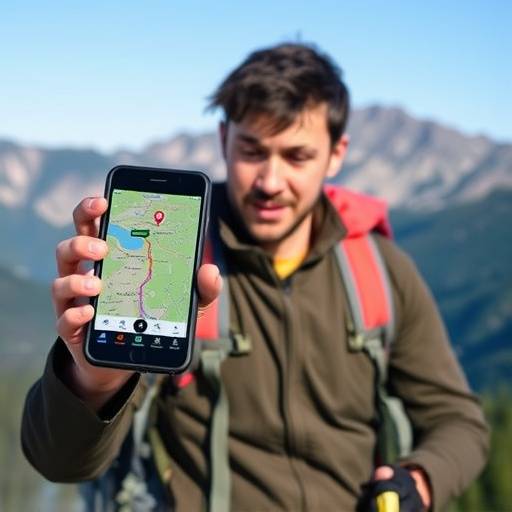
How does Trailblazers rate trail difficulty?
Trailblazers employs a multi-faceted approach to rating trail difficulty, combining objective data with community input. We consider:
*
Distance:
The total length of the trail.
*
Elevation Gain:
The total vertical ascent throughout the hike.
*
Terrain:
The nature of the path, whether it's paved, rocky, rooty, sandy, or requires scrambling.
*
Average Gradient:
The steepness of the trail over its course.
*
User Feedback:
Ratings and comments from our community on perceived difficulty and any specific challenges.
Our system aims to provide a comprehensive understanding, acknowledging that personal fitness and experience play a significant role in perceived difficulty.
Can I contribute to trail information on Trailblazers?
Absolutely! We believe the best hiking resources are built by the community. You can contribute by leaving reviews, sharing photos, reporting trail conditions, and suggesting edits to trail details. Our goal is to create the most accurate and up-to-date information possible. Each contribution helps fellow hikers plan their adventures more effectively. Please ensure your contributions are respectful, factual, and adhere to our community guidelines, which can be found in our Terms and Conditions .
What if I find an error on a trail description?
We strive for accuracy, but errors can happen. If you spot an inaccuracy in a trail description, such as incorrect mileage, elevation, or closure information, please use the 'Report an Issue' feature available on each trail page. You can also reach out to us directly through our Contact Us page. Our editorial team reviews all submissions promptly to make necessary corrections. Your feedback is invaluable in keeping our information reliable.
Does Trailblazers offer guided hikes or tours?
Currently, Trailblazers primarily serves as a comprehensive resource for independent hikers, providing detailed trail information, maps, and community insights. We do not directly organize or lead guided hikes. However, we partner with local certified guides and tour operators. You can find a curated list of recommended guides and their services within our Guides section. These professionals offer expertise, safety, and a unique perspective on the trails.
How can I use the website for trip planning?
Trailblazers is designed to be your ultimate trip-planning companion. Start by exploring our extensive trail database using filters for location, difficulty, length, and features. Once you find a trail that interests you, check the detailed description, photos, maps, and recent user reviews. You can save your favorite trails to your profile for easy access. We also provide tips on gear, safety, and navigation to help you prepare. For more complex planning, consider using our suggested itineraries or consulting with guides listed on our Guides page.
What is Trailblazers' policy on data privacy and user information?
We take user privacy very seriously. Our Privacy Policy outlines how we collect, use, and protect your personal information. We aim to be transparent about our data practices. You can find detailed information about the types of data we collect, the purposes for which it is used, and your rights regarding your data. We do not sell your personal information to third parties. Your trust is paramount, and we are committed to safeguarding your privacy.
Safety and Accessibility
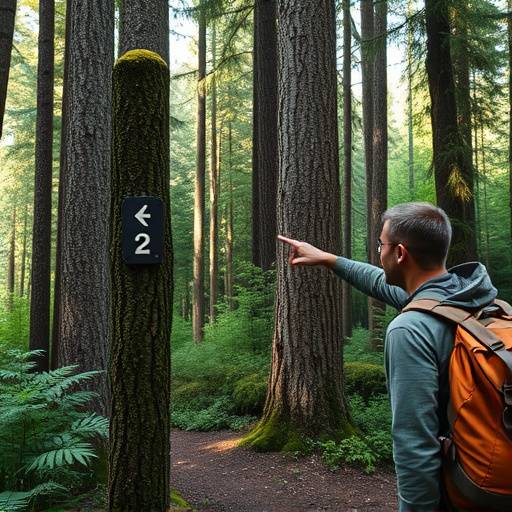
What safety precautions should I take before and during a hike?
Safety is paramount on the trail. Before your hike, research the trail thoroughly, check the weather forecast, and inform someone of your itinerary. Pack the "Ten Essentials" (detailed above) and ensure you have adequate water and food. During your hike, stay on marked trails, be aware of your surroundings, and watch out for wildlife. Know your limits and don't push yourself beyond your capabilities. If you encounter an emergency, use your whistle or phone to call for help. Understanding basic wilderness first aid can also be incredibly beneficial. For more comprehensive guidance, please refer to our Guides section.
How can I ensure my hike is accessible for individuals with disabilities?
We are committed to making hiking accessible to everyone. Our website includes information on trail accessibility, including features like paved paths, boardwalks, and routes with minimal elevation gain. We are continuously working to improve our accessibility information. You can find specific details on accessible trails in our Accessibility section. When planning, look for trails marked as wheelchair-friendly or suitable for those with mobility challenges. Always contact local park authorities or visitor centers for the most current accessibility updates.
What should I do if I encounter wildlife on the trail?
Respect wildlife and give them plenty of space. Never feed wild animals, as this can disrupt their natural behaviors and make them dependent on humans. If you see an animal, remain calm, do not approach it, and slowly back away. Make noise as you hike (talk, sing) to avoid surprising animals. Be aware of local wildlife in the area you are hiking and research specific encounter protocols. For example, if you encounter a bear, make yourself look large, make noise, and do not run. If you encounter a mountain lion, make yourself look large, make noise, and do not turn your back. Always prioritize your safety and the well-being of the animals.
What are the "Leave No Trace" principles?
"Leave No Trace" (LNT) is a set of outdoor ethics that guides outdoor enthusiasts to minimize their impact on the natural world. The seven principles are:
1.
Plan Ahead and Prepare:
Know regulations, weather, and your route.
2.
Travel and Camp on Durable Surfaces:
Stick to trails and established campsites.
3.
Dispose of Waste Properly:
Pack it in, pack it out. Bury human waste properly if necessary.
4.
Leave What You Find:
Preserve the past; do not disturb nature or artifacts.
5.
Minimize Campfire Impacts:
Use existing fire rings, keep fires small, and ensure they are completely out.
6.
Respect Wildlife:
Observe from a distance; never feed them.
7.
Be Considerate of Other Visitors:
Respect other visitors and their experiences.
Adhering to these principles ensures that our natural spaces remain beautiful and healthy for generations to come.